


Understanding the Process of Estimating Material Quantities in Construction

Estimating the right amount of materials is a critical step in any construction project. Getting this wrong can lead to wasted resources, increased costs, or delays. Estimators use a careful process to calculate material quantities, relying on detailed plans, measurements, and experience. This post breaks down how estimators approach this task and what methods they use to ensure accuracy.
Reviewing Project Plans and Specifications
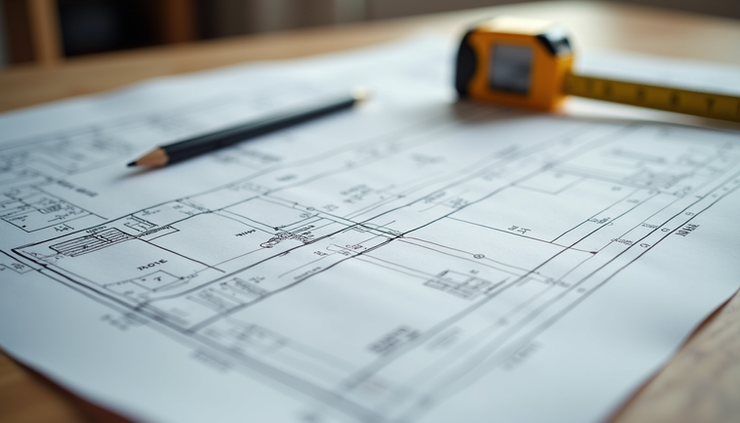
The first step in estimating materials is to thoroughly review the project plans and specifications. These documents provide detailed information about the size, shape, and type of construction elements. Estimators carefully study drawings, notes, and schedules to understand what materials are needed.
For example, if the project involves building a concrete foundation, the estimator looks at the dimensions of the footings, slabs, and walls. They note the thickness, length, and width to calculate the volume of concrete required. Similarly, for framing, they identify the lengths and types of lumber needed.
Taking Accurate Measurements
Once the plans are understood, estimators take measurements directly from the drawings. They use scales to convert drawing dimensions into real-world sizes. This step requires attention to detail because even small errors can lead to significant material shortages or surpluses.
Estimators often break down the project into smaller sections to make calculations manageable. For instance, a wall might be divided into segments based on different heights or openings like doors and windows. Each segment’s measurements are recorded separately.
Calculating Material Quantities
After measurements are gathered, estimators perform calculations to determine the quantity of each material. This involves applying formulas based on the shape and size of the components.
For linear materials such as pipes or lumber, estimators sum the lengths needed.
For area-based materials like drywall or flooring, they calculate the surface area by multiplying length by height or width.
For volume-based materials such as concrete or soil, they calculate cubic measurements by multiplying length, width, and depth.
Estimators also account for waste and cutting losses by adding a percentage to the total quantity. This percentage varies depending on the material and project complexity but typically ranges from 5% to 10%.
Considering Material Specifications and Types
Not all materials are the same, even if they serve similar purposes. Estimators pay close attention to the specifications, such as grade, thickness, or strength, to ensure the correct material is counted.
For example, structural steel beams come in various sizes and strengths. Estimators must identify the exact type required and calculate quantities accordingly. The same applies to insulation, roofing materials, and finishes.
Cross-Checking and Verifying Calculations
To avoid costly mistakes, estimators often double-check their work. They may compare their calculations with past projects of similar scope or consult with suppliers and contractors for feedback.
Some estimators use checklists to ensure no material is overlooked. They also review the quantities against the project schedule to confirm that materials will be available when needed.

Practical Example: Estimating Concrete for a Small Foundation
Imagine a small foundation slab measuring 20 feet by 30 feet with a thickness of 6 inches. To estimate the concrete needed:
Convert thickness to feet: 6 inches = 0.5 feet
Calculate volume: 20 ft × 30 ft × 0.5 ft = 300 cubic feet
Convert cubic feet to cubic yards (since concrete is ordered by cubic yards): 300 ÷ 27 = 11.11 cubic yards
Add 10% for waste: 11.11 × 1.10 = 12.22 cubic yards
The estimator would order approximately 12.22 cubic yards of concrete to cover the slab.
Final Thoughts on Material Quantity Estimation
Estimating material quantities is a blend of careful measurement, calculation, and practical knowledge. Estimators must be precise and methodical to avoid costly errors. By breaking down the project into manageable parts, applying clear formulas, and verifying results, they provide a solid foundation for successful construction.


Comments