


Understanding the Importance of Contingency Costs in Construction Projects
- ESTIMATION AND COSTING ONLINE TRAINING INSTITUTE

- Apr 3
- 3 min read
Construction projects often face unexpected challenges that can disrupt schedules and inflate budgets. One of the key tools to manage these uncertainties is the contingency cost. This budget item acts as a financial buffer, helping projects stay on track when surprises occur. Understanding why contingency costs matter and how to manage them can make a significant difference in the success of any construction effort.
What Are Contingency Costs?
Contingency costs are funds set aside to cover unforeseen expenses during a construction project. These expenses might arise from design changes, unexpected site conditions, material price increases, or delays caused by weather. Unlike regular budget items, contingency costs are not allocated to specific tasks but are reserved for risks that are difficult to predict.
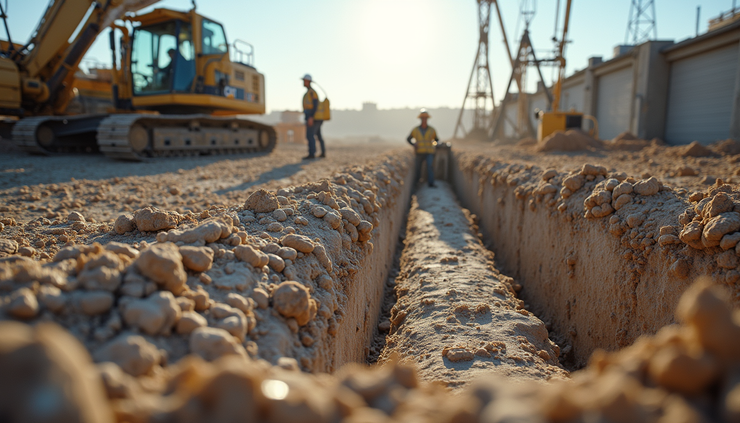
For example, if a project uncovers unstable soil after excavation begins, additional work and materials may be needed to stabilize the ground. Without contingency funds, the project could stall or require extra financing, causing delays and cost overruns.
Why Contingency Costs Are Essential
Every construction project carries some level of risk. Even with careful planning, not all variables can be controlled or anticipated. Contingency costs provide a safety net that helps:
Avoid project delays by quickly addressing unexpected issues.
Prevent budget overruns by covering costs that were not included in the original estimate.
Maintain project quality by allowing for necessary changes without cutting corners.
Reduce stress for project managers by offering financial flexibility.
Without a contingency budget, teams might face tough choices like reducing the scope of work or using lower-quality materials to stay within budget. This can compromise the final outcome and client satisfaction.
How to Determine the Right Contingency Amount
Setting the right contingency amount depends on the project’s size, complexity, and risk level. There is no one-size-fits-all figure, but common practice suggests allocating between 5% and 15% of the total project cost.
Factors to consider include:
Project complexity: More complex projects tend to have higher risks.
Site conditions: Unknown or difficult terrain increases uncertainty.
Design maturity: Early-stage designs may require more changes.
Market conditions: Volatile material prices or labor shortages can impact costs.
For example, a simple residential build on stable ground might only need a 5% contingency, while a large commercial project with many unknowns could require 12% or more.
Managing Contingency Costs Effectively
Having a contingency budget is not enough; managing it well is crucial. Here are some practical tips:
Track spending carefully: Monitor how contingency funds are used and update forecasts regularly.
Use contingency only for true surprises: Avoid dipping into this budget for planned expenses or minor overruns.
Communicate transparently: Keep stakeholders informed about contingency use and reasons for additional costs.
Review risks continuously: Update the contingency amount if new risks emerge or existing ones change.
For instance, if a project team discovers a hidden utility line during excavation, they should document the impact and use contingency funds to cover the extra work. This keeps the project moving without unexpected financial strain.
Real-World Example
A mid-sized office building project faced unexpected heavy rains that delayed foundation work by two weeks. The delay required additional labor and equipment rental costs. Because the project had a contingency budget of 10%, the team was able to cover these extra expenses without asking for more money from the client or cutting other parts of the project. This flexibility helped maintain the schedule and quality.


Comments