


Understanding the Financial Differences Between Residential and Commercial Building Projects
- ESTIMATION AND COSTING ONLINE TRAINING INSTITUTE

- Apr 3
- 3 min read
Building a structure involves many financial decisions, but the costs can vary widely depending on whether the project is residential or commercial. Knowing these differences helps homeowners, investors, and developers plan budgets more accurately and avoid surprises during construction. This post breaks down the key financial factors that separate residential and commercial building projects, offering clear examples and practical insights.
Size and Scale of the Project
One of the most obvious differences is the size of the buildings. Residential projects typically involve single-family homes, townhouses, or small apartment buildings. These structures are smaller in scale, which means the overall material and labor costs are lower compared to commercial buildings.
Commercial buildings, such as office complexes, retail stores, or warehouses, tend to be much larger. The increased size means more materials, longer construction timelines, and higher labor costs. For example, constructing a 10,000 square foot retail space will require more steel, concrete, and specialized finishes than a 2,000 square foot home.
Materials and Construction Methods
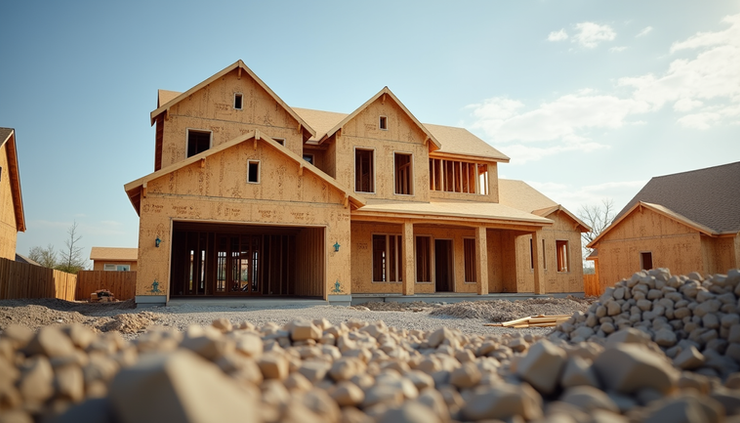
Residential buildings often use wood framing, drywall, and standard roofing materials. These materials are generally less expensive and easier to source. The finishes in residential projects focus on comfort and aesthetics, such as hardwood floors, tiles, and paint.
Commercial buildings usually require stronger materials like steel beams, reinforced concrete, and fire-resistant cladding. These materials add to the cost but are necessary to meet safety codes and support heavier loads. Commercial projects also demand specialized systems like advanced HVAC, elevators, and fire suppression, which increase expenses.
Labor Costs and Expertise
Labor costs differ because commercial projects require more specialized skills. Electricians, plumbers, and HVAC technicians working on commercial buildings often need certifications and experience with complex systems. This expertise comes at a premium.
Residential construction workers typically handle more straightforward tasks, and the labor force is larger and more readily available. This difference means labor rates for commercial projects can be 20 to 30 percent higher than for residential work.
Permits, Regulations, and Inspections
Both types of projects require permits and inspections, but commercial buildings face stricter regulations. These include zoning laws, environmental impact assessments, and accessibility standards. Meeting these requirements often involves hiring consultants and paying additional fees, which add to the overall cost.
Residential projects usually have fewer regulatory hurdles, making the approval process faster and less expensive. However, local building codes still apply and must be followed to ensure safety and compliance.
Design and Planning Expenses
Design costs vary depending on the complexity of the project. Residential designs focus on livability and style, often using standard plans with minor customizations. This approach keeps architectural fees reasonable.
Commercial projects demand detailed planning to accommodate business needs, customer flow, and safety requirements. Architects and engineers spend more time on these plans, increasing design fees. For example, a commercial kitchen or laboratory requires specialized layouts and equipment that add to the design complexity.
Utilities and Infrastructure
Connecting utilities like water, electricity, and sewage can be straightforward for residential buildings, especially in established neighborhoods. The infrastructure is usually in place, reducing connection costs.
Commercial sites may need upgrades to existing infrastructure or new installations to handle higher demands. For instance, a manufacturing facility might require a dedicated power supply or enhanced drainage systems, which increase expenses.

Maintenance and Operating Costs
While not part of initial construction, maintenance costs differ significantly. Residential buildings generally have lower ongoing expenses, with simpler systems and fewer occupants.
Commercial buildings often require regular maintenance of complex systems, security, and cleaning services. These costs should be considered when evaluating the total financial commitment of a commercial project.
Examples to Illustrate Cost Differences
Building a 2,500 square foot home might cost between $250,000 and $400,000 depending on location and finishes.
Constructing a 10,000 square foot retail store could range from $1.5 million to $3 million due to materials, labor, and systems.
Renovating a small apartment building may cost less per square foot than upgrading a commercial office space with specialized electrical and HVAC needs.


Comments