


Understanding the Essential Roles of an Estimator in Civil Engineering Projects
- ESTIMATION AND COSTING ONLINE TRAINING INSTITUTE

- Apr 5
- 2 min read
Civil engineering projects are complex undertakings that require careful planning and precise budgeting. One of the key figures behind the scenes is the estimator. Without accurate estimates, projects risk running over budget, facing delays, or encountering resource shortages. This post explores the vital roles an estimator plays in civil engineering projects, highlighting how their work supports successful project delivery.
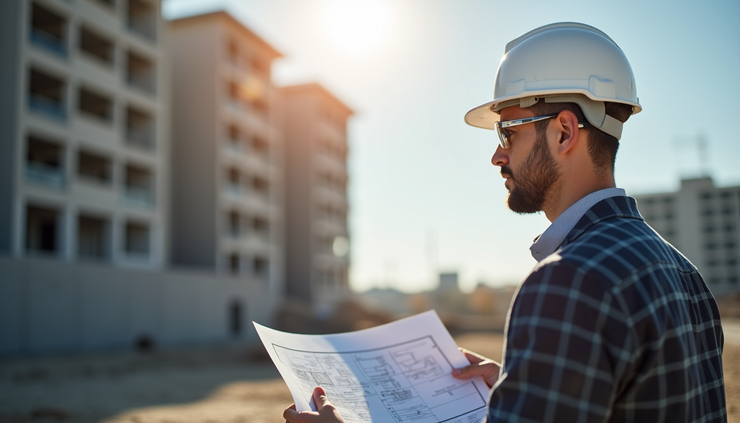
Preparing Accurate Cost Estimates
Estimators begin by gathering detailed information about the project. This includes reviewing drawings, specifications, and project requirements. Their goal is to predict the total cost of the project as closely as possible. This involves:
Calculating quantities of materials needed, such as concrete, steel, and earthworks.
Estimating labor hours required for various tasks.
Considering equipment and machinery costs.
Accounting for subcontractor fees and overhead expenses.
By carefully analyzing these factors, estimators provide a realistic budget that guides project planning and funding decisions.
Assessing Risks and Contingencies
Civil engineering projects often face uncertainties like weather delays, material price fluctuations, or unexpected site conditions. Estimators evaluate these risks and include contingency amounts in their calculations. This helps ensure the project can absorb unforeseen costs without compromising quality or timelines.
For example, if a project involves working near a river, the estimator might add extra funds to cover potential flooding or soil instability. This foresight protects the project from financial surprises.
Supporting Project Bidding and Negotiations
When contractors bid for a project, estimators prepare detailed cost breakdowns that form the basis of their proposals. Their role is to balance competitiveness with profitability. They must avoid underestimating costs, which can lead to losses, or overestimating, which might price them out of the bid.
Estimators also assist during negotiations by explaining cost components and justifying pricing. Their clear, data-backed estimates build trust with clients and stakeholders.
Coordinating with Other Project Teams
Estimators work closely with engineers, architects, project managers, and suppliers. They ensure that cost estimates align with design changes and project schedules. For instance, if the design team modifies a bridge’s structure, the estimator recalculates material and labor costs accordingly.
This collaboration helps maintain budget accuracy throughout the project lifecycle and supports informed decision-making.

Tracking Costs During Construction
Once construction begins, estimators monitor actual expenses against their original estimates. They track material usage, labor hours, and equipment deployment to identify any deviations early. This ongoing cost control allows project managers to adjust plans or negotiate changes before overruns occur.
For example, if material prices rise unexpectedly, the estimator flags this so the team can explore alternatives or adjust the budget.
Providing Data for Future Projects
Estimators document lessons learned and cost data from completed projects. This information becomes a valuable reference for future work, improving the accuracy of subsequent estimates. Over time, this builds a knowledge base that benefits the entire organization.
Why Estimators Matter
Without skilled estimators, civil engineering projects risk financial mismanagement and delays. Their work ensures that projects start with a clear understanding of costs and risks. This clarity supports better planning, smoother execution, and stronger client relationships.
Estimators combine technical knowledge with practical experience to deliver estimates that reflect real-world conditions. Their role is essential for turning engineering designs into successful, completed projects.


Comments