


The Crucial Role of Estimation Engineers in Successful Construction Projects
- ESTIMATION AND COSTING ONLINE TRAINING INSTITUTE

- Apr 3
- 2 min read
Construction projects often face challenges related to budgets, timelines, and resource management. One key figure who helps navigate these challenges is the estimation engineer. Their work shapes the foundation of project planning and execution, influencing decisions that affect the entire construction process.
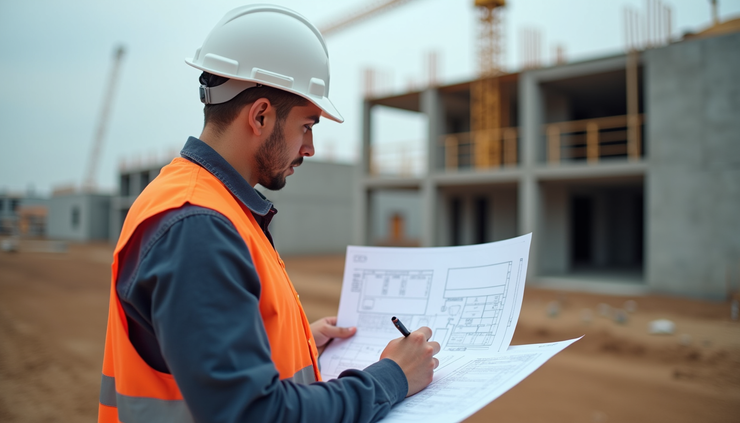
What Estimation Engineers Do
Estimation engineers focus on predicting the costs and resources needed for a construction project. They analyze project drawings, specifications, and materials to calculate quantities and expenses. This includes labor, equipment, materials, and any other costs that might arise during construction.
Their estimates help project managers and clients understand the financial scope before work begins. Accurate estimates prevent surprises and allow for better planning of funds and schedules.
Why Their Role Is Essential
Without a clear estimate, construction projects risk going over budget or facing delays. Estimation engineers provide a realistic picture of what a project will require. This helps in:
Budget planning: Ensuring the project has enough funds allocated.
Resource allocation: Knowing how much material and labor will be needed.
Risk management: Identifying potential cost overruns early.
Decision making: Helping stakeholders choose between design options based on cost.
For example, if an estimation engineer notices that a particular material is unusually expensive, they can suggest alternatives or adjustments to the design to keep costs manageable.
How Estimation Engineers Work with Other Teams
Estimation engineers collaborate closely with architects, engineers, and project managers. They review design plans and provide feedback on cost implications. This teamwork ensures that the project stays within financial limits without compromising quality.
They also update estimates as the project evolves. Changes in design or unexpected site conditions require revisiting the original calculations. This ongoing process keeps the project aligned with its budget and timeline.
Skills That Make Estimation Engineers Effective
Successful estimation engineers combine technical knowledge with practical experience. They understand construction methods, materials, and labor requirements. Attention to detail is critical, as small errors in measurement or calculation can lead to large cost differences.
Strong communication skills help them explain complex cost details to non-technical stakeholders. They also need to be organized and able to manage multiple projects at once.
Real-World Impact of Estimation Engineering
Consider a mid-sized commercial building project. Early estimates showed the project would cost $5 million. During construction, the estimation engineer noticed that the price of steel had risen sharply. By quickly recalculating and advising the team, they helped adjust the design to use a more cost-effective material without sacrificing safety.
This intervention saved the project from a potential $300,000 budget overrun and kept the timeline on track.

The Value of Estimation Engineers in Project Success
Estimation engineers bring clarity and control to construction projects. Their work reduces uncertainty and supports sound financial planning. Projects with skilled estimation engineers are more likely to finish on time and within budget.
For anyone involved in construction, understanding the role of estimation engineers highlights the importance of careful planning and cost control. Their expertise turns complex project details into clear, actionable information.
By recognizing their contributions, construction teams can improve collaboration and project outcomes. This leads to stronger results and more satisfied clients.


Comments