


Essential Skills Estimators Need to Master for Success
- ESTIMATION AND COSTING ONLINE TRAINING INSTITUTE

- Apr 5
- 3 min read
Estimators play a crucial role in construction and project planning. Their work directly influences budgets, timelines, and overall project success. To excel in this role, estimators must develop a range of skills that go beyond simple number crunching. Understanding the site and its unique characteristics is one of the most important areas of knowledge for any estimator. This post explores the essential skills estimators need to master to deliver accurate, reliable estimates and contribute effectively to project outcomes.
Understanding Site Conditions
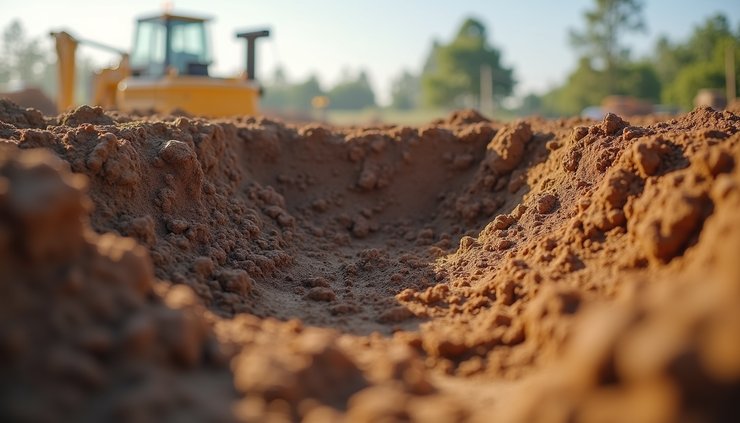
A deep knowledge of the site is fundamental. Estimators must be able to assess the physical characteristics of the location, including soil type, terrain, accessibility, and existing structures. For example, rocky or uneven ground can increase excavation costs and require specialized equipment. Similarly, sites with limited access may slow down material delivery and labor movement, affecting the schedule and budget.
Estimators should visit the site personally whenever possible. Observing the environment firsthand helps identify potential challenges that might not be obvious from drawings or reports. This hands-on approach leads to more realistic and detailed estimates.
Reading and Interpreting Plans
While site knowledge is vital, estimators also need to be skilled at reading construction plans and specifications. This includes understanding architectural drawings, structural details, and material requirements. Misreading a plan can lead to underestimating quantities or missing critical components, which causes budget overruns.
A practical tip is to cross-check quantities with the site conditions. For instance, if a plan calls for a certain volume of concrete, but the site shows unstable soil, the estimator should consider additional foundation work or soil stabilization costs.
Communication and Collaboration
Estimators rarely work in isolation. They must communicate clearly with project managers, engineers, suppliers, and contractors. Good communication ensures that everyone understands the assumptions behind the estimate and any site-specific factors that might affect costs.
Collaboration also helps in gathering accurate information. For example, talking to suppliers about material availability or delivery times can prevent surprises later. Estimators who build strong relationships with other team members often produce more reliable estimates.
Attention to Detail
Small errors can have big consequences in estimation. Estimators must pay close attention to every detail, from material quantities to labor hours. This includes checking measurements, verifying unit costs, and accounting for waste or contingencies.
For example, if an estimator overlooks the need for temporary site fencing, the project might face unexpected expenses. Being thorough reduces the risk of missing such items and helps keep the project on budget.
Time Management
Estimators often work under tight deadlines. Managing time effectively allows them to gather all necessary information, analyze data, and prepare estimates without rushing. Prioritizing tasks and setting realistic milestones can improve accuracy and reduce stress.
Using checklists or templates can speed up the process while ensuring no critical steps are skipped. Time management also means knowing when to ask for help or additional information to avoid delays.
Problem-Solving Skills
Every site has unique challenges. Estimators must think critically to find solutions that balance cost, quality, and schedule. For example, if a site has poor drainage, the estimator might suggest including drainage improvements in the budget to avoid future problems.
Being proactive and anticipating issues before they arise helps create more reliable estimates and smoother project execution.

Practical Experience
Nothing replaces hands-on experience. Estimators who spend time on different types of projects and sites develop a better sense of real-world conditions and costs. This experience helps them make informed judgments and avoid common pitfalls.
For example, an estimator familiar with urban projects will understand the challenges of working in tight spaces, while one experienced in rural sites will know about transportation and logistics issues.


Comments